Showing posts with label Ayurvedic HEALTH and WELLNESS Tips for WINTER SEASON. Show all posts
Showing posts with label Ayurvedic HEALTH and WELLNESS Tips for WINTER SEASON. Show all posts
Friday, January 24, 2020
Ayurveda Hair Mask for Natural Hair
I'm making a powerhouse Ayurveda hair pack including Amla powder, Brahmi, Fenugreek, Aloe Vera and Bhringraj. Every one of these fixings backing and help in sound scalp and hair development. Ayurvedic medications and herbs are a mainstream decision among numerous ladies for balding, hair shed and hair regrowth in light of the fact that they join characteristic fixings and have been a viable solution for these issues since antiquated occasions.
Bhringraj—The Lord Of Herbs. in addition to the fact that it helps advance hair development, however it additionally switches thinning up top. It tends to be utilized to forestall untimely turning gray.
Amla—The Indian Gooseberry-is a molding fixing that guides in hair fall and improves the scalp wellbeing by handling dandruff and a bothered scalp
Brahmi-Brahmi fortifies hair and advances hair development. It gives sustenance to the roots and advances new follicle development. Normal utilization of Brahmi makes hair thick and glistening.
Fenugreek-it is a great solution for hair fall. It is additionally perhaps the best answer for dandruff and is known for its capacity to help scalp wellbeing.
aloe vera-incredible element for boosting scalp wellbeing, controling hair fall, and advancing hair development. furthermore is as an extra conditioner for securing any bothering of the scalp

Ayurveda for Great hair growth
Ayurveda-The Indian customary arrangement of human services trusts in an all encompassing way to deal with social insurance and hair care is one of the indispensable pieces of it. Ayurveda accepts that simply outside application and safety measures are not adequate to keep it brimming with life, quality, gloss, sheen, shading, essentialness and solid long lasting. This issue is examined in pretty much every traditional content in detail which shows that our Rishis (sages) were additionally mindful of the significance of this field. Ayurvedic Ahara-Vihar (Diet and Way of life) idea are two main considerations that impact entire body and the wellbeing of the hair too. Sporadic dietary propensities, Horrible eating routine, Ailment and Lacks of a specific Nutrient and Mineral influences the nature of hair and issues like dandruff, diminishing hair, early hairlessness, untimely turning gray, ruin the hair quality. In an individual the state of the hair is the impression of the total constitution of his physical state. In the event that the individual isn't sound, at that point the awful wellbeing will reflect from the hair. Ayurvedic traditional written works push onto generally guideline for hair care.
Essential Rules one ought to follow for prosperity of hair are
(I). Back rub scalp normally: Topical use of sedated hair oil improves sustenance to the scalp which assists with keeping your hair long, glistening, solid, sparkling and thick. The warm oil head and scalp rub, particularly when finished with oil imbued with Keshya (hair-accommodating) herbs, sustains the hair and scalp, mitigates dry scalp, improves dissemination. Coconut oil or Sesame oil, imbued with herbs like Amalaki (Emblica officinalis), Brahmi (Bacopa monnieri), Bhringaraj (Eclipta alba) or Japa (Hibiscus), keeps up the shading and gloss of hair. Ayurvedic home grown hair oils contain a mix of hair-accommodating herbs. On the off chance that you can knead a few times each week ideally in morning (1-2 hours before shower) for sustenance. Apply Narikela (coconut) oil or Sarshapi(mustard) oil (contingent on accessibility and appropriateness) in any event multiple times in seven days. Utilization of Old style Ayurvedic Sedated Oils like: Bhringraja oil, Neelibhringadi oil, Mahabhringraja oil and Brahmi-Amla oil assists with controlling grumblings identified with the scalp and hair.
(II). Customary purifying of scalp and hair: Consistently keep your hair and scalp clean to maintain a strategic distance from obstructed hair follicles and tingling of scalp. Rinse with a delicate natural cleanser or child cleanser or delicate home made home grown based cleanser. Over or unnecessary shampooing, particularly with a brutal cleanser can prompt dry out the scalp and harm hair. Utilize tepid or crisp water to wash your hair, and follow with a characteristic conditioner. Let the hair dry normally as opposed to blow-drying it. Trim hair consistently to deal with split finishes and common mileage. Routinely cleaning and brushing the hair is significant. At the point when the hairs are brushed, oil-creating organs in the scalp get invigorated. This characteristic oil makes the hair lustrous and sound. To give additional try to please hair, in the wake of washing flush the hair with some lemon juice blended in some warm water.
(III). Direct dietary propensities: Unpredictable or undesirable dietary patterns influence over all presentation of the entirety of our frameworks. Smart dieting is similarly as significant for viable processing and retention as the sound eating regimen itself. Nourishment ought to be new and entire and arranged affectionately. Ayurveda advocates that each one ought to have nourishment in appropriately ventilated, quiet, calm corner and ought not do some other activity at the hour of having nourishment like viewing your preferred network show or talking and examining any business issue. Eat with your consideration on the nourishment, in a quiet and tranquil outlook, and one should bite nourishment appropriately before gulping. For a decent absorption a solid individual ought not drink a lot of water during suppers, not many tastes of water in the middle of chomps is fine, in any case legitimate watering time is thirty minutes after nourishment. One should drink luke warm water assuming sleek, zesty and non vegan nourishment is expended. Supper ought to consistently be light. All of such limitations are significant on the off chance that you wish to keep your body free of Ama (poisons). Poisons develop in the body blocks supplements from arriving at the cells and tissues of the body. The nourishment articles and unfortunate propensities which one ought to get free off are examined too. They are as per the following: Over the top admission of tea, espresso, liquor, meats and smoking ought to be kept away from. Eating an excess of singed, sleek, oily, fiery, sharp and acidic nourishments is constantly destructive. Compound or engineered medications ought to be maintained a strategic distance from. Low blood flow, iron deficiency, general shortcoming after infection, stress, nervousness and mental pressure ought to be treated by improving dietary propensities and schedule. Maladies like typhoid fever, jaundice and hormonal awkwardness cause unnecessary falling of hair and exasperate the rate of dandruff.
For more data read - Eat Directly for Solid Life
Particularly after the age of forty, it is imperative to experience intermittent inner purging to flush away Ama (poisons). Triphala (blend of equivalent amount of products of Amalaki - Emblica officinalis, Vibhitaka - Terminalia belerica and Harad - Terminalia chebula) is an exceptionally well known, delicate, non-propensity framing chemical that can be taken as often as possible to direct the stomach related framework.
What Is the Ayurvedic Diet?

An Ayurvedic diet is an eating plan that provides guidelines for when you eat, what you eat, and how you eat to boost your health, prevent or manage disease, and maintain wellness. If you follow an Ayurvedic diet, you'll eat primarily whole or minimally processed foods and practice mindful eating rituals.The Ayurvedic diet is an eating design that has been around for a large number of years.
It depends on the standards of Ayurvedic medication and spotlights on adjusting various kinds of vitality inside your body, which is said to improve wellbeing.
In contrast to numerous different weight control plans, the Ayurvedic diet gives customized suggestions about which nourishments to eat and evade dependent on your body type.
It's likewise well known in light of the fact that it's not just said to advance better wellbeing for your body yet additionally your psyche.
This article surveys all you have to think about the Ayurvedic diet, including its advantages, drawbacks, and nourishments to eat and keep away from.
Offer on Pinterest
What is the Ayurvedic diet?
Ayurveda is a type of comprehensive prescription that is centered around advancing harmony between your body and brain.
As indicated by Ayurveda, five components make up the universe — vayu (air), jala (water), akash (space), teja (fire), and prithvi (earth).
These components are accepted to frame three distinctive doshas, which are characterized as sorts of vitality that course inside your body. Each dosha is answerable for explicit physiological capacities.
For instance, the pitta dosha controls yearning, thirst, and internal heat level. Then, the vata dosha keeps up electrolyte equalization and development, while the kapha dosha advances joint capacity (1Trusted Source).
The Ayurvedic diet is a part of Ayurveda and has been drilled for a large number of years. It depends on deciding your prevailing dosha and eating explicit nourishments to advance harmony between every one of the three doshas.
How can it work?
The Ayurvedic diet is a sort of eating plan that sets rules for when, how, and what you ought to eat dependent on your dosha, or body type.
Here are a portion of the primary attributes for each dosha to assist you with figuring out which type matches you best:
Pitta (fire + water). Clever, dedicated, and conclusive. This dosha for the most part has a medium physical form, irritability, and may experience the ill effects of conditions like acid reflux, coronary illness, or hypertension.
Vata (air + space). Imaginative, vigorous, and exuberant. Individuals with this dosha are normally slight with a light casing and may battle with stomach related problems, weakness, or nervousness when out of equalization.
Kapha (earth + water). Normally quiet, grounded, and steadfast. Those with a kapha dosha regularly have a sturdier casing and may have issues with weight gain, asthma, sadness, or diabetes.
As indicated by this eating routine, your dosha figures out which nourishments you ought to eat to advance internal equalization.
For instance, the pitta dosha centers around cooling, stimulating nourishments and cutoff points flavors, nuts, and seeds.
In the interim, the vata dosha supports warm, clammy, and establishing nourishments while confining dried organic products, unpleasant herbs, and crude veggies.
At long last, the kapha dosha confines overwhelming nourishments like nuts, seeds, and oils for organic products, veggies, and vegetables.
Red meat, fake sugars, and prepared fixings are restricted for each of the three doshas. Rather, the Ayurvedic diet supports eating well entire nourishments.
Outline
The Ayurvedic diet is an eating design concentrated on advancing parity inside your body by following rules for your particular dosha, or body type.
Advantages
Here are a couple of the potential advantages of the Ayurvedic Diet.
Empowers entire nourishments
In spite of the fact that the Ayurvedic diet has explicit rules for each dosha, the eating routine all in all energizes eating entire nourishments like natural products, vegetables, grains, and vegetables.
This can profit your wellbeing incredibly, as these nourishments are wealthy in numerous fundamental supplements.
The eating routine additionally limits prepared nourishments, which frequently need fiber and significant nutrients and minerals.
Studies show that eating higher measures of handled nourishments might be related with a higher danger of coronary illness, disease, and even demise (2Trusted Source, 3Trusted Source, 4Trusted Source).
In this manner, the Ayurvedic diet may help ensure against ceaseless malady and advance better wellbeing. Nonetheless, more investigations are required.
Could advance weight reduction
Given that the Ayurvedic diet underscores supplement rich entire nourishments, it may support weight reduction.
While restricted research is accessible on the Ayurvedic diet and weight reduction, a few investigations have discovered that it might be powerful in such manner.
For instance, one examination in 200 individuals with pitta or kapha doshas demonstrated that following the Ayurvedic diet for a quarter of a year prompted huge weight reduction. These individuals as far as anyone knows will in general be heavier than those with vata doshas (5Trusted Source).
Another little investigation found that following an Ayurveda-based way of life alteration program, which included dietary changes and yoga classes, brought about a normal weight reduction of 13 pounds (6 kg) more than 9 months (6Trusted Source).
All things considered, huge, top notch contemplates are expected to assess the adequacy of the Ayurvedic diet for weight reduction in the all inclusive community.
Advances care
Notwithstanding what nourishments you eat, care is another significant piece of the Ayurvedic diet.
Care is a training that includes giving close consideration to how you feel in the present.
Specifically, careful eating stresses limiting interruptions during dinners to concentrate on the taste, surface, and smell of your nourishment.
As per one little investigation in 10 individuals, rehearsing careful eating diminished body weight, discouragement, stress, and voraciously consuming food (7Trusted Source).
Careful eating may likewise improve restraint and advance a solid association with nourishment (8Trusted Source).
Outline
The Ayurvedic diet underlines eating entire nourishments, which can improve your general wellbeing and lift weight reduction. The eating routine likewise supports careful eating, a training that may advance a solid association with nourishment.
What Is Ayurveda?

A great many years before present day medication gave logical proof to the mind-body association, the sages of India created Ayurveda, which keeps on being one of the world's generally advanced and amazing personality body wellbeing frameworks.
In excess of a unimportant arrangement of treating sickness, Ayurveda is a study of life (Ayur = life, Veda = science or information). It offers a group of insight intended to assist individuals with remaining lively and sound while understanding their full human potential.
The two fundamental core values of Ayurveda
The psyche and the body are inseparably associated
Nothing has more capacity to recuperate and change the body than the brain
Opportunity from sickness relies on growing our own mindfulness, bringing it into equalization, and afterward stretching out that parity to the body. This procedure isn't as convoluted as it might sound.
For instance, when you ponder you easily enter a condition of extended mindfulness and inward calm that revives the brain and reestablishes harmony. Since the psyche and body are indistinguishable, the body is normally adjusted through the act of reflection.
In the condition of soothing mindfulness made through reflection, your pulse and breath moderate, your body diminishes the generation of "stress" hormones, for example, cortisol and adrenaline, and you increment the creation of synapses that upgrade prosperity, including serotonin, dopamine, oxytocin, and endorphins.
Contemplation is only one of the most incredible assets the old Ayurvedic doctors endorsed for adjusting the brain and body. Ayurveda likewise offers numerous different practices for growing mindfulness and developing your intrinsic condition of parity.
Here are a couple of the most significant parts of the Ayurvedic approach and proposals for applying them to make ideal wellbeing in your own life:
Eat a brilliant, delightful eating routine.
By breathing, eating is our most fundamental real capacity. To make a solid body and mind our nourishment must be feeding. Perfect sustenance originates from expending an assortment of crisp nourishments that are fittingly arranged and eaten with mindfulness.
A straightforward method to ensure that you are getting a fair eating routine is to incorporate the six Ayurvedic tastes (sweet, salty, acrid, impactful, severe, and astringent) in every feast. Doing so will guarantee that all significant nutrition classes and supplements are represented. When you incorporate each of the six tastes, you will likewise see that you feel fulfilled and that the inclination to bite and gorge will decrease. You can discover more data on the six tastes here.
Alongside the six tastes, filling your plate with the shades of the rainbow advances a long and sound life. You can actually ingest the data of the universe into your science. Nourishments that are dark blue, purple, red, green, or orange are pioneers in cell reinforcements and contain numerous supplements that lift resistance and upgrade wellbeing.
Fortify your stomach related force.
As Ayurveda instructs, great wellbeing is reliant upon our ability to completely use the dietary, enthusiastic, and tactile data that we ingest. At the point when our stomach related vitality, known as agni (fire), is powerful, we make solid tissues, kill squander items proficiently and produce an unobtrusive substance called ojas. Ojas, which might be imagined as the wellspring of our imperativeness, is the reason for lucidity of discernment, physical quality, and resistance. Then again, if our agni is debilitated, assimilation is fragmented and lead to an amassing of lethal buildup known as ama. The development of ama in the body mind prompts blocks in the progression of vitality, data, and sustenance, and is the premise of all malady.
Here are a couple Ayurvedic practices to reinforce your stomach related fire:
Continuously plunk down to eat (don't eat before your PC or television or while you're driving).
Eat in a settled climate and not when you're disturbed.
Try not to eat until you're unquestionably ravenous.
Eat at a moderate pace. Try not to swallow down your nourishment or eat too gradually.
Limit crude nourishments, which are a lot harder to process than cooked ones.
Incorporate every one of the six tastes at every feast.
Drink heated water with ginger for the duration of the day.
Practice some type of moderate exercise all the time.
Play out an every day oil rub with herbalized oil that adjusts your mind-body type. Discover guidelines for a self-rub here.
Invest energy in the calm of contemplation consistently.
Use detoxifying herbs, for example, triphala, ashwagandha, guggulu, brahmi, ginger, turmeric and neem.
Get plenteous tranquil rest.
As indicated by Ayurveda, rest is the nursemaid to humanity. During rest, our body fixes and restores itself. An absence of soothing rest upsets the body's natural parity, debilitates our resistant framework, and accelerates the maturing procedure. People for the most part need somewhere in the range of six and eight hours of relaxing rest every night.
Peaceful rest implies that you're not utilizing pharmaceuticals or liquor to find a workable pace that you're floating off effectively once you turn off the light and are dozing sufficiently as the night progressed.
On the off chance that you feel vigorous and energetic when you wake up, you had a night of serene rest. In the event that you feel worn out and apathetic, you haven't had serene rest. You can locate an increasingly point by point rest routine here.
Live on top of nature.
The expression "living on top of nature" has an exact significance in Ayurveda: having sound wants that match what you really need. As nature made you, what you need and what you need shouldn't be in struggle. At the point when you're in balance, you normally want just that which supports your wellbeing and life.
You stream in agreement with your body's common rhythms, getting tranquil rest, bolstering your faculties with encounters, tastes, contact, fragrances, sounds, and sights that elevate and feed you. At the point when you sneak out of tune with nature, your wants become non-supporting and you may hunger for low quality nourishment, disregard to rest and work out, and enjoy enthusiastic practices. Additional time, a little awkwardness can turn into a turmoil and afterward an ailment, expediting more pressure and disregard.
Exercise: Check out your body.
You can settle on decisions that keep you in concordance with your internal insight and rhythms by tuning into your body's messages. The body consistently communicates through signs of solace and uneasiness.
While picking a specific way or conduct, ask your body, "What is your opinion about this?" If your body imparts a sign of physical or passionate misery, focus and think about an alternate decision. On the off chance that your body imparts a sign of solace and enthusiasm, you may continue. Though the mind lives previously and the future, the body lives in the now and never questions itself. It knows reality and will manage you towards the most developmental decisions.
Relax.
The Ayurvedic approach is tied in with lining up with the unbounded sorting out intensity of nature instead of battling or attempting to constrain things to go your way. This standard is epitomized by the Law of Least Exertion. At the point when you watch nature, you will see that grass doesn't attempt to develop; it just develops. Winged animals don't attempt to fly; they simply fly. Blossoms don't attempt to bloom; they simply bloom.
Nature capacities without any difficulty, frictionlessly and immediately. It is instinctive, comprehensive, non-direct, and nourishing. You will exhaust least exertion when your activities are propelled by affection, since nature is held together by the vitality of adoration. At the point when you pursue status, cash, force, or awards, you squander vitality, however when your activities are propelled by affection, your vitality extends and amasses. So relax and be guided by affection.
Find Your Dosha
Additionally, known as mind-body types, "doshas" are the establishment for Ayurveda. Doshas express extraordinary mixes of physical, passionate, and mental attributes.
The three doshas: Vata, Pitta, and Kapha, are gotten from the five components of nature, which are: Space (akasha), Air (vayu), Fire (tejas), Water (jala), and Earth (prithivi).
Understanding your one of a kind dosha and the particular needs that get from it, permits you to settle on ideal decisions about eating regimen, exercise, enhancements, and every other part of your way of life.
Take the "Find Your Dosha" test here to become familiar with Ayurvedic mind-body types and recognize your own individual sort.
Improve your physical and passionate prosperity with a health retreat at the Chopra Center. Locate a comprehensive retreat that meets your requirements today.
Ashwagandha: An Indian Herb full of benefits
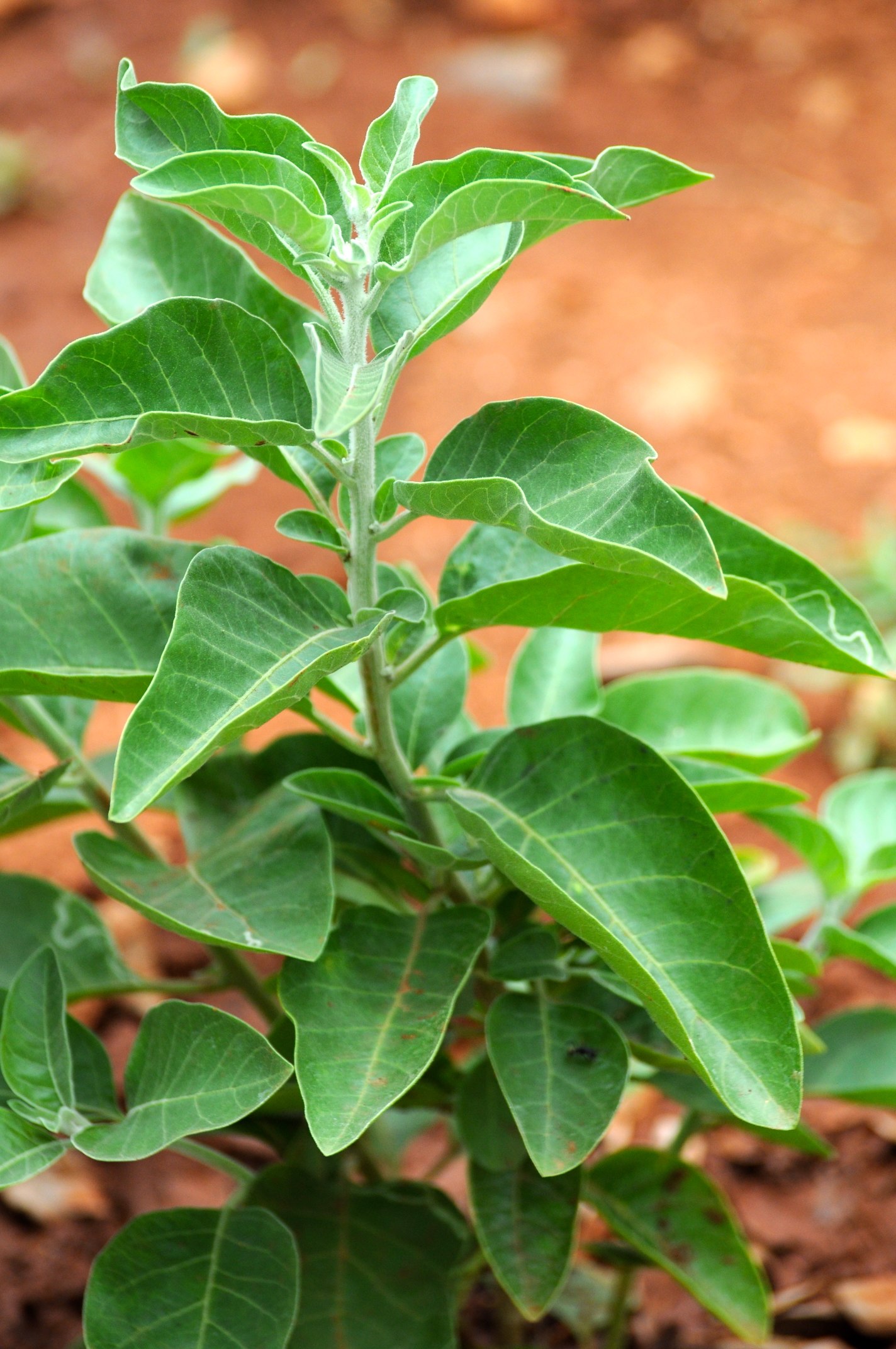
In the field of herbal study, there is an herb that holds the reputation of being the first class adaptogenic tonic in one of the greatest herbal medical systems in the whole cosmos. This is particularly a wonder herb that can match and even surpass the world’s prime herbal tonics like the Panax ginseng, astralagus, dang gui, reishi nushroom, and the South American suma for its great uses and medicinal benefits. Such herb bears the name “ashwagandha”, which is the wonder herb of India.
For more than 2,000 years of the Indian medical system which is known as “Ayurveda”, ashwagandha has been held in high regard by many generations of people for its great abilities to help in the proper functioning of the body. Ashwagandha is a small evergreen shrub that is widely cultivated in India and in some parts of the Middle East for several medicinal properties. This herb can also be found in the some parts of Africa.
This erect and grayish plant with long roots known as ashwagandha has a small greenish flowers and fruits that are red-orange in color when ripe. It has been applied traditionally in a variety of ways. Ashwagandha can be used as a sedative, diuretic, rejuvenation tonic, anti-inflammatory agent, and as an “adaptogen’ or endurance developer.
Traditionally, some of the Western herbalists refer to ashwagandha as “Ayurvedic ginseng” due to its fame for enhancing energy, strength, and stamina, as well as for its potential to give relief to stress.
Ashwagandha is typically applied since its beginning till now in its powdered form. It is noted that such powdered form is developed from the whole ashwagandha plant and the root alone. It has therefore some various forms that really give certain effects to those who use it.
However, ashwagandha is typically used in test tubes and animals. In fact, the use of this herb have been limited for those purposes alone, and it is then hard to form a proposition about the importance of this herb to humans. Although, there are several studies that are conducted mostly in India, and those studies have considered that ashwagandha does have anti-inflammatory, anti-stress, and immune-boosting properties. Also, the different chemical constituents of ashwagandha have demonstrated a number of therapeutic effects.
Due to the fact that ashwagandha is applied to heal or treat some major disorders that are connected with nerve tissue damage which in turn related to the destructive molecules called as free radicals, there are some findings which assumed that ashwagandha may have antioxidant properties. Ashwagandha is also found out to be beneficial to central nervous system and it may help to ease arthritis, reduce the stress and increase endurance, as well as it boost sexual performance.
It is just necessary to know that when the ashwagandha is included as part of an herbal blend, its effects may be diluted or may be too tough to detect. So, the proper consultation and prescription should be made before adding the herb. It is however noted that the right idea to take ashwagandha is to take it with a meal or a full glass of water. And for the reason that ashwagandha may have sedative qualities, fully understanding of how it affects you prior to doing any other activity that requires total alertness is indeed a right move.
Ayurvedic HEALTH and WELLNESS Tips for WINTER SEASON
Modifying our eating routine examples and nourishment decisions while living in concordance with the changing seasons is the establishing guideline in Ayurveda. Sapna is back since Winter season has arrived to share her Ayurvedic and Nutritional bits of knowledge.
Sapna is a Registered Dietitian, Ayurvedic Practitioner and Culinary Wellness Expert who coordinates western dietary science with antiquated shrewdness of Ayurveda for present day living.
Eating the correct sort of nourishments is critical to keep the absorption smooth and going. Your propensity to move towards nourishments like nuts, seeds, grains, soups, stews are signals from your body.
...
Here are a few nourishments that you should stack up on for better assimilation in winters.
Winter Greens. ...
Ghee. ...
Fiber. ...
Remain hydrated.
Subscribe to:
Posts (Atom)